Archive for the ‘affiches’ Category
the beatles ( 1964 )
 March 31st, 2005 |
  Author: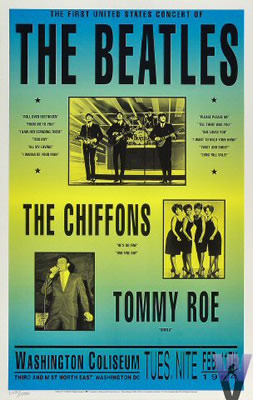
On February 7, 1964, The Beatles arrived in the US for the first time. They had already conquered England and Europe, but they desperately wanted to succeed in America, the birthplace of rock ‘n’ roll. The Beatles were well aware that other English pop stars like Cliff Richard had failed in America, and they were nervous about how they would fare.
Bron: wolfgangsvault.com
 Posted in
citizen kane ( 1941 )
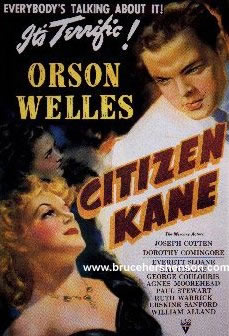
The fresh, sophisticated, and classic masterpiece, Citizen Kane (1941), is probably the world’s most famous and highly-rated film, with its many remarkable scenes and performances, cinematic and narrative techniques and experimental innovations (in photography, editing, and sound). Its director, star, and producer were all the same genius individual – Orson Welles (in his film debut at age 25!), who collaborated with Herman J. Mankiewicz on the script (and also with an uncredited John Houseman), and with Gregg Toland as his talented cinematographer. [The amount of each person's contributions to the screenplay has been the subject of great debate over many decades.] Toland’s camera work on Karl Freund’s expressionistic horror film Mad Love (1935) exerted a profound influence on this film.
Bron: filmsite.org

from russia with love ( 1963 )
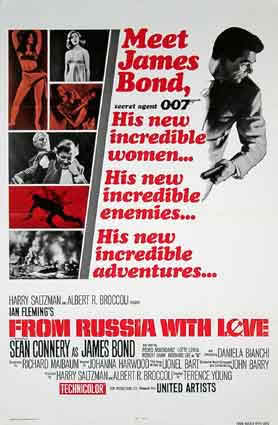
The elements of From Russia with Love move the movie closer to the recognizable “Bond formula” than was the case for its predecessor, Dr. No. Here, the action scenes are more numerous and generate added tension, the title sequence has a familiar flavor, John Barry’s distinctive score replaces the workmanlike music of Monty Norman, Q makes his first appearance, and Connery tones up 007’s sophistication while downplaying his cold-bloodedness.
Fellini-Roma ( 1972 )
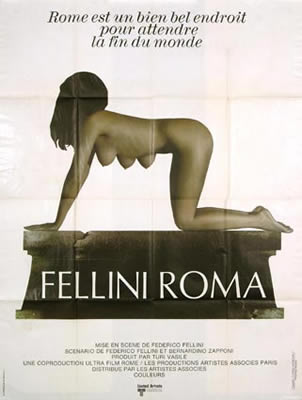
Fellini’s Roma(1972) goes into some themes that the filmmaker, Fellini explores in Amarcord and some of his eariler work. Mixture of the Neo Realism period of the 1950s with the Excessive period of the Mid to late 1960s. Follows some of the same patterns as Fellini Satryicon(1969). In the top five of Federico Fellini’s films from the late period of his career. Part of the story uses a film within a film structure.
Bron: rottentomatoes.com